
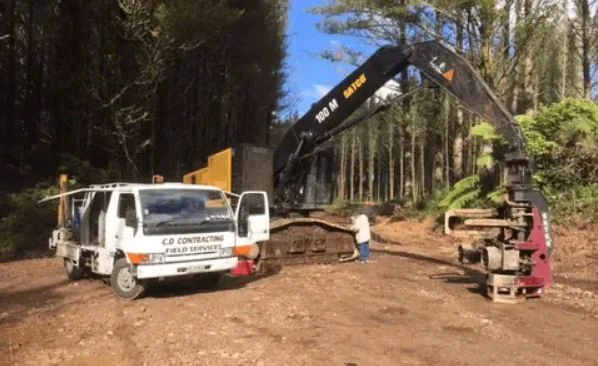
Automotive Welding
Truck and trailer repairs, heavy machinery and farm equipment repairs by experienced welders, in Tokoroa or onsite, including COF repairs (LT400).
Plastic welding and repairs from CD Contracting in Tokoroa, the same team that welds steel, stainless steel and aluminium for farms, transport and industry across the Waikato.
Welding is not only for metal. We weld plastic as well as stainless steel and aluminium, so a cracked or broken plastic part can come to the same Tokoroa business as the rest of the job.
In a plastic weld, the surfaces of the joint are heated until they melt, and they fuse together as they cool. In hot air and extrusion welding, a filler of the same plastic is melted into the joint as well. The result is one piece of plastic rather than two pieces held together with glue.
Call now on: 07 886 5555
Only one family of plastics can be welded this way: thermoplastics, which soften and melt when they are heated and can be melted again and again. According to TWI, the welding research and training organisation, the plastics most commonly welded with hot air are polypropylene, polyethylene, PVC and some fluoropolymers. The other family, thermosets, such as the resins used in many composite materials, set hard when they are made and stay solid when they are heated, so they cannot be repaired by melting them together.
A plastic generally has to be welded to the same plastic. The filler rod and the part need to be of identical material, and as a general rule, with a few exceptions, two different plastics cannot be welded together successfully. That is why it matters to know what a part is made of before anyone puts heat on it.
Many plastic items carry a recycling triangle with a number inside it, the plastic resin identification code. On the Ministry for the Environment's quick reference guide, 2 is high-density polyethylene (HDPE), 3 is PVC, 4 is low-density polyethylene (LDPE) and 5 is polypropylene (PP). If you cannot find a code, tell us what the part is and what it does, or show it to us, and we will tell you whether it can be welded.
There are many ways of welding plastic, from fast, easily automated ultrasonic welding to lasers. Between them, these four are used on sheet, tanks, mouldings and pipe:
Which method suits a job depends on the plastic, how thick it is, and the shape and size of the part. Tell us about yours and we will tell you whether it can be welded and how we would go about it.
Plastic welding is used to make tanks and other storage vessels, ducting and pipe, and to make and repair moulded parts such as vehicle bumpers.
Not every plastic part can be welded. A thermoset part cannot be, and as a rule neither can a joint between two different plastics. If you have a plastic part that has cracked or broken, tell us what it is and what it is made of, and we will tell you whether welding is the right repair.
Plenty of plastic parts are fixed to metal: a tank on a steel stand, a cover on a machine, a part on a truck. Because we weld metal too, one call can cover both. See stainless and aluminium welding, truck, trailer and machinery repairs and steel fabrication for the metal side of the job.
Mostly the type of plastic, the size and thickness of the break or the joint, and how much preparation the part needs before it can be welded. Describe the job and we can give you a price.
No. Only thermoplastics can be welded, and the filler has to be the same plastic as the part. Thermosets, such as the resins in many composite materials, do not melt when heated, so they cannot be welded.
Yes. We weld steel, stainless steel and aluminium with MIG, TIG and ARC, we fabricate, and we also offer sandblasting and painting.
Call the office on 07 886 5555 or send the enquiry form on this page with what the part is, what it is made of if you know, and where it is broken.
Truck and trailer repairs, heavy machinery and farm equipment repairs by experienced welders, in Tokoroa or onsite, including COF repairs (LT400).
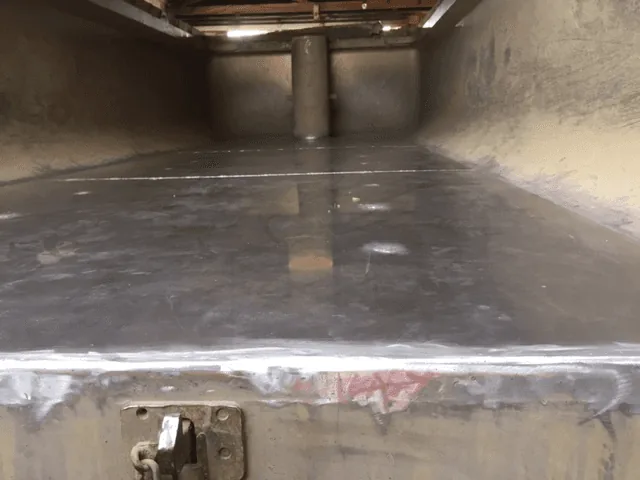
Stainless steel and aluminium cut, welded, folded and fabricated by experienced welders, in Tokoroa or at your premises.
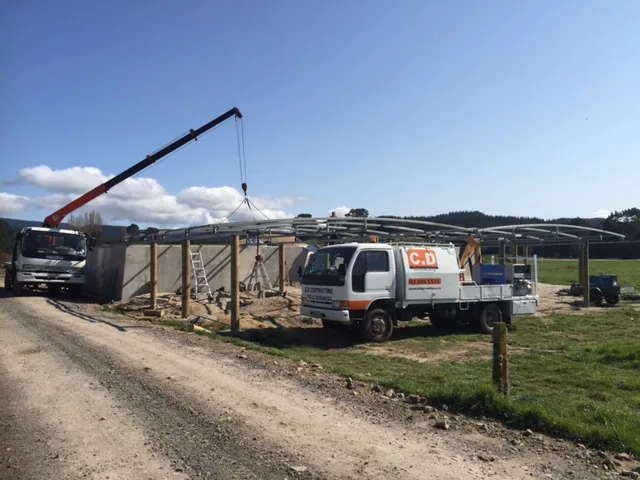
Commercial, agricultural and industrial fabrication in aluminium, stainless, mild and high tensile steels, from design through to assembly and installation.
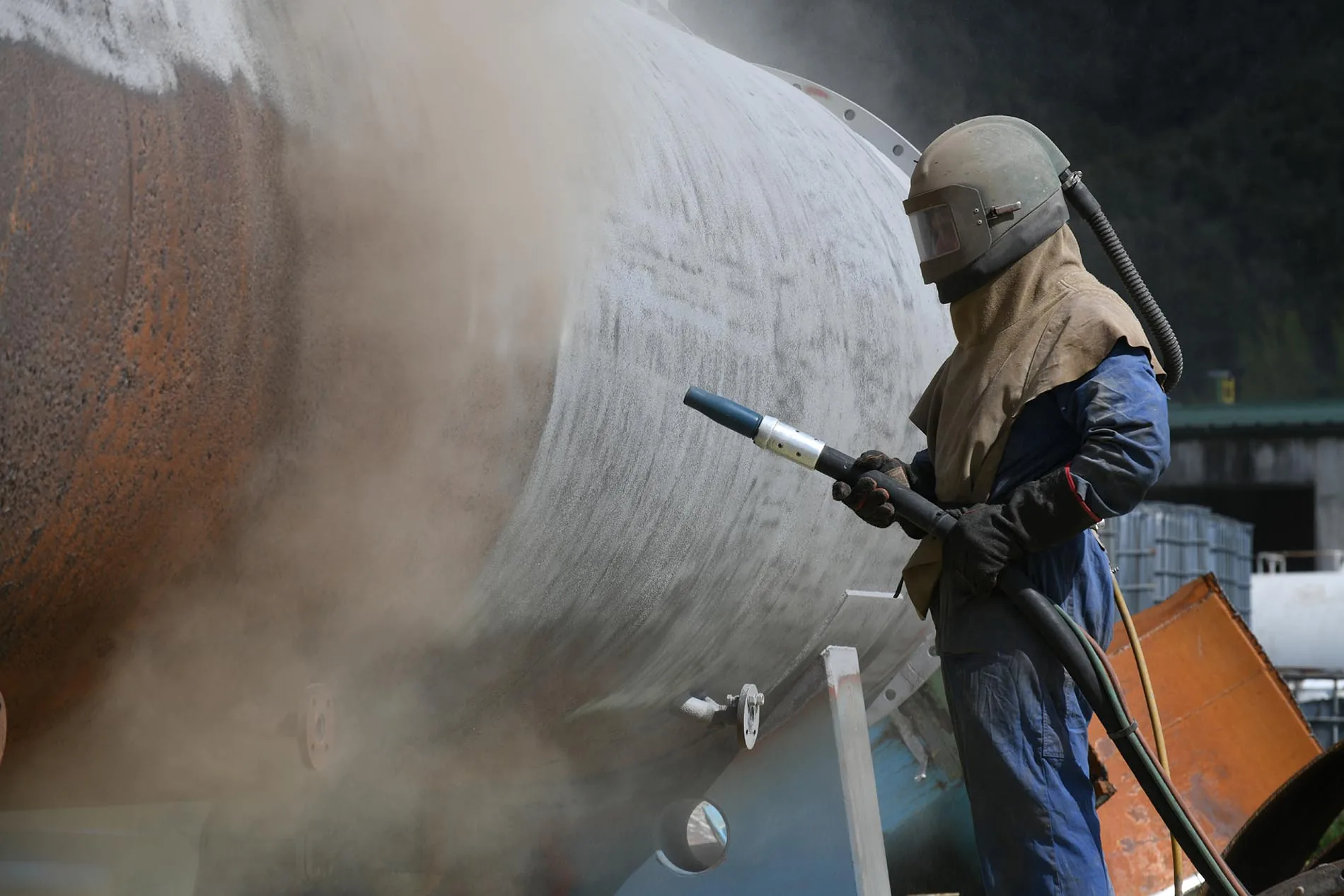
Mobile sandblasting and painting for trucks and machinery and their parts.
Call CD Contracting on 07 886 5555 or 021 144 6602, Monday to Friday, 7:30am to 4:00pm, weekends by arrangement, or send an enquiry and someone will respond to you very soon.